The 🎺 emoji can add a musical touch, a playful reaction, or a little extra energy to your messages.
Have you ever wanted to express excitement about a performance, celebrate a big moment, or joke about making a grand entrance? The tuba emoji keyword is closely connected to brass instruments and musical conversations, making it useful for music lovers, creators, and anyone who enjoys playful messages. Its exact meaning depends on the conversation, the platform, and the person using it.
🎺 One little musical symbol can turn an ordinary message into a moment worth announcing.
What do tuba emoji mean?
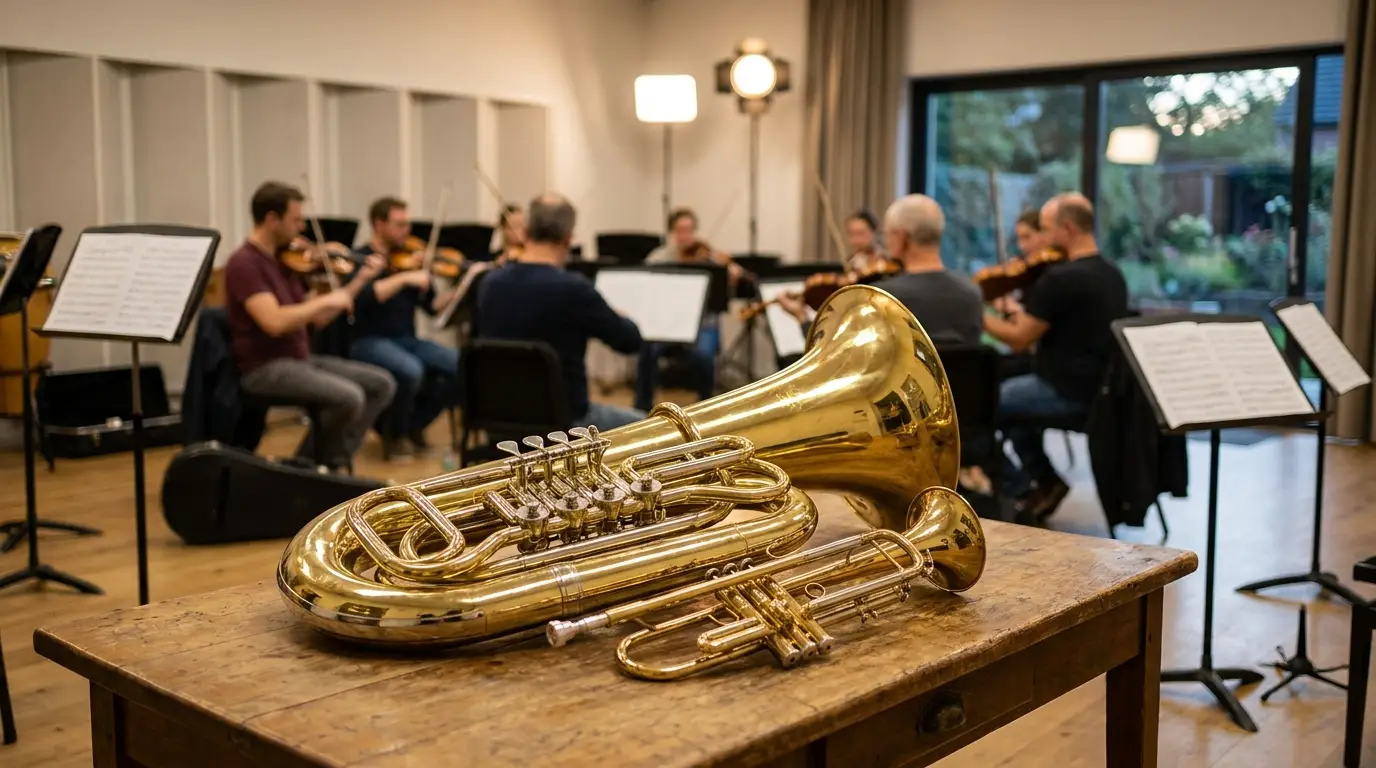
The keyword tuba emoji is commonly associated with 🎺, the trumpet emoji. However, there is an important distinction: 🎺 represents a trumpet, not a tuba. The tuba is a larger brass instrument, and emoji availability can vary depending on the keyboard and platform.
People searching for a tuba emoji may want to represent brass instruments, school bands, orchestras, marching music, or funny musical moments. The trumpet emoji can sometimes work as a substitute when a dedicated tuba symbol is unavailable.
Context matters, too. A musical emoji might accompany a concert announcement, celebrate a band performance, or add a humorous tone to a conversation about loud music.
Here are six related symbols that can help you express different musical ideas without losing the brass-band theme.
| Emoji | Core meaning | Misread as | Best used when |
| 🎺 | Trumpet and brass music | A tuba | Talking about brass instruments or performances |
| 🎷 | Saxophone and jazz music | A clarinet | Sharing jazz performances or band music |
| 🎸 | Guitar and musical performance | A bass guitar in every context | Discussing bands, rehearsals, or concerts |
| 🎹 | Keyboard and piano music | An electronic keyboard only | Sharing piano practice or music lessons |
| 🥁 | Drums and rhythm | A full drum kit in every context | Talking about percussion or band rehearsals |
| 🎼 | Musical notation | A complete song | Discussing sheet music or composition |
These symbols are useful for people looking for copy-paste emojis related to musical instruments. Choose the one that best fits the instrument or musical activity you want to describe.
🎺 Trumpet Meaning: Brass music, fanfares, and musical performances. Example 1: The school band sounded amazing today 🎺 Example 2: Time for a grand entrance 🎺
🎷 Saxophone Meaning: Jazz, saxophone performances, and smooth musical moods. Example 1: Friday night calls for some jazz 🎷 Example 2: Practicing my favorite solo 🎷
🎸 Guitar Meaning: Guitar playing, bands, and live music. Example 1: Rehearsal starts in ten minutes 🎸 Example 2: Ready for the next concert 🎸
🎹 Musical Keyboard Meaning: Piano playing, keyboard music, and musical practice. Example 1: Learning a new song today 🎹 Example 2: A little practice every day 🎹
🥁 Drum Meaning: Drumming, rhythm, percussion, and energetic performances. Example 1: The drum solo was incredible 🥁 Example 2: Keeping the rhythm going 🥁
🎼 Musical Score Meaning: Sheet music, musical composition, and written notes. Example 1: Working on a new arrangement 🎼 Example 2: Every great song starts somewhere 🎼
🎶 Musical Notes Meaning: Music, melodies, singing, and cheerful musical moments. Example 1: This song makes my day 🎶 Example 2: Singing along all evening 🎶
🎵 Musical Note Meaning: A single musical note or a simple reference to a song. Example 1: Guess what I’m listening to 🎵 Example 2: My favorite tune is playing 🎵
🎻 Violin Meaning: Violin performances, orchestras, and classical music. Example 1: The orchestra sounded beautiful 🎻 Example 2: Practicing before the recital 🎻
🎤 Microphone Meaning: Singing, vocal performances, karaoke, and live shows. Example 1: Karaoke night starts now 🎤 Example 2: Who wants to sing the next song? 🎤
How to use tuba emoji the right way
The best way to use a musical emoji is to match it to the conversation. If you are talking about a school band, a brass performance, or a music lesson, an instrument symbol can make your message more expressive.
You do not need to be a professional musician to use music-related symbols. They work just as well in everyday conversations, captions, jokes, and announcements.
WhatsApp: Make personal messages more expressive
WhatsApp is useful for sharing musical moments with friends, classmates, and family members. You can add an instrument symbol to a message about a concert, rehearsal, or performance.
For example:
- Our band practice went really well today 🎺
- Who is coming to the concert tonight? 🎶
- I cannot stop listening to this song 🎵
Keep your message natural. One or two relevant symbols usually work better than a long string that makes the message difficult to read.
Instagram: Create music-focused captions
Instagram captions can use instrument emojis to complement photographs, reels, and stories about music. A picture of a marching band, for example, can pair naturally with a brass instrument symbol.
Try captions such as:
- Practice, patience, and music 🎺
- A little music makes everything better 🎶
- Behind the scenes at band rehearsal 🎼
If you manage a music page, use relevant symbols consistently across posts. They can help establish a recognizable style, although the quality of your caption and content matters more than adding emojis.
TikTok: Add humor and personality
TikTok is a natural place for playful musical references. You can use instrument symbols in captions about funny rehearsals, unexpected musical moments, or short performance clips.
Examples include:
- When the band finally gets the difficult part right 🎺
- Me pretending I can play every instrument 🎷
- That one friend who turns everything into a concert 🎸
Humor depends on context. A musical symbol can make a joke feel more playful, but the video, caption, and audience determine whether it works.
Simple dos and don’ts
Do:
- Match the symbol to the instrument whenever possible.
- Use musical symbols in concert announcements and performance captions.
- Combine a few related symbols when describing a band.
- Consider the tone of your conversation before adding a playful symbol.
Don’t:
- Call a trumpet a tuba when instrument accuracy matters.
- Add a long row of symbols to every caption.
- Assume everyone interprets musical symbols in exactly the same way.
- Use unrelated symbols that distract from your main message.
Best tuba emoji combos: Copy & paste
Musical symbols can create useful combinations for captions, messages, and short posts. Although romantic emojis are popular in personal conversations, instrument symbols are usually more appropriate when music is the main subject.
Here are 15 combinations you can copy and paste. Each uses symbols from the musical group introduced earlier.
Romantic
- 🎺❤️ A playful musical touch for a romantic message.
- 🎶❤️ Share a song that reminds you of someone special.
- 🎹🎶❤️ Use for a heartfelt musical dedication.
Cute
- 🎺🎶 A cheerful combination for a band rehearsal.
- 🎷🎵 Share a favorite jazz tune.
- 🎹🎼 Perfect for a piano practice update.
Flirty
- 🎤🎶 Invite someone to sing a duet.
- 🎸🎶 Share a song with someone who loves live music.
- 🎺🎵 Add a playful musical touch to a conversation.
Missing someone
- 🎶❤️ Send a song that reminds you of someone far away.
- 🎹🎵 Share a melody connected to a special memory.
- 🎻🎶 Use with a message about a beautiful song you both enjoy.
Good night
- 🎶🌙 Send a musical good-night message.
- 🎹❤️🌙 Share a gentle musical thought before bed.
- 🎤🎶🌙 Wish a music-loving friend a peaceful night.
These combinations are suggestions rather than fixed emoji definitions. You can copy them directly or use the same musical symbols in a caption that better suits your situation.
Trending tuba emoji in 2026
Musical emojis continue to be useful in digital conversations because they provide a quick way to connect text with music, performances, and entertainment. However, it is important to distinguish broad usage patterns from verified trend rankings.
There is no verified platform-wide data here establishing that a particular musical instrument emoji is trending above all the others in 2026. The examples below describe practical ways these symbols can be used in current social media content, not measured popularity rankings.
1. 🎺 for performance announcements
Brass instrument symbols are relevant to marching bands, school performances, and concert announcements. Musicians, students, and event organizers can use them to give captions a recognizable musical theme.
2. 🎷 for jazz-related content
Jazz clips, rehearsal videos, and live music photographs provide natural contexts for this instrument symbol. Music creators can include it in captions when the content actually features jazz or saxophone playing.
3. 🎶 for short-form music content
Musical notes can accompany song recommendations, singing videos, and short performance clips. Their broad musical association makes them flexible for creators who post different types of music.
4. 🥁 for rhythm and rehearsal videos
Drum-related content often includes practice clips, band performances, and rhythm challenges. This symbol can help viewers recognize the musical focus of a post before reading its caption.
| Emoji | Why trending-style content may use it | Who uses it | Platform |
| 🎺 | Brass performances and band announcements | Musicians, students, event creators | Instagram, TikTok |
| 🎷 | Jazz clips and instrumental performances | Jazz fans and music creators | Instagram, TikTok |
| 🎶 | Song recommendations and music videos | General users and creators | WhatsApp, Instagram, TikTok |
| 🥁 | Rhythm clips and rehearsal videos | Drummers, bands, music students | Instagram, TikTok |
These are suggested use cases, not confirmed popularity rankings for 2026. Emoji habits can change as social platforms, musical interests, and online communication styles evolve.
As digital communication develops, musical symbols may continue to be used in new creative ways alongside changing caption styles and platform features.
Frequently asked questions
1. What is the most popular tuba emoji?
There is no dedicated standard tuba emoji in the commonly used emoji set. People often use 🎺 as a substitute, but it represents a trumpet.
2. What does 🎺 mean from a girl or boy?
It usually refers to music, brass instruments, or a playful musical moment. Its meaning depends on the message and relationship, rather than the sender’s gender.
3. Why do emojis look different on iPhone vs Android?
Apple, Google, and other platform providers create their own visual designs for supported emojis. The underlying character may be the same even when its appearance differs.
4. Are tuba emoji used differently in other countries?
Musical symbols can be understood across many languages, but their context varies. A school band, local music tradition, or conversation can influence how someone interprets a symbol.
The best musical emoji is the one that fits your message and helps readers understand your intention. Whether you are sharing a rehearsal, posting a concert caption, or joking with friends, choose symbols that feel natural to your audience.
Discover More About
Parents Emoji Meaning, Copy and Paste